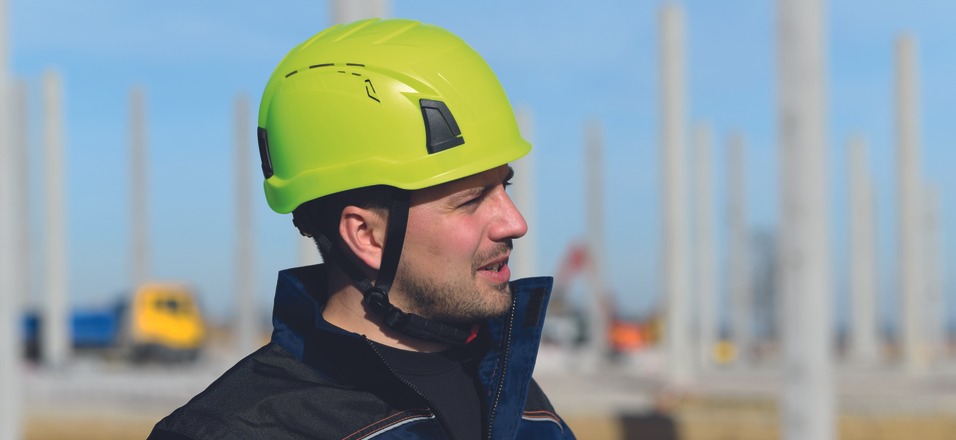
Head Protection for a Safe Workplace
Head protection is essential for a safe workplace whenever employees face risks from falling objects, impacts, or contact with fixed structures. This is particularly relevant in sectors such as construction, industry, logistics, assembly, and maintenance. When selecting equipment, consider not only the level of protection but also comfort, ventilation, and weight. Head protection that fits comfortably is less likely to hinder daily tasks. Additionally, ensure the design integrates seamlessly with other personal protective equipment, such as hearing protection or face shields, allowing for practical combinations. By providing appropriate head protection, you promote consistent safety standards and create a responsible work environment. A well-considered choice helps prevent accidents, supports proactive safety, and ensures employees can perform their duties professionally and without unnecessary strain.

Hard Hats for Maximum Impact Protection
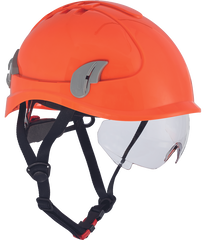
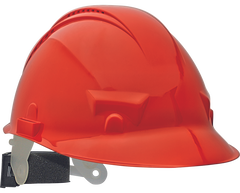
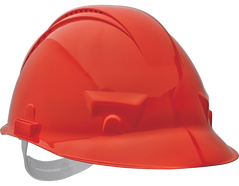
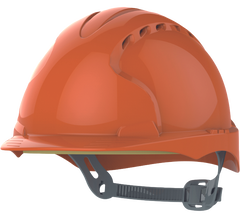
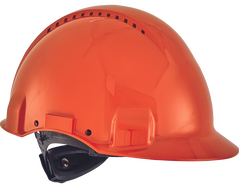
On construction sites, during structural work, and in industrial environments involving overhead tasks, hard hats are intended to provide protection against falling objects and heavy impact from above. The helmet distributes the impact force over a larger surface area, while the suspension system absorbs the energy. When making your choice, pay attention to an adjustable headband, ventilation openings, and a sweatband, especially when the helmet is worn for long periods. Attachment points for accessories, such as lights, visors, and hearing protection, can also make the design suitable for various tasks. Choosing hard hats therefore means looking not only at impact protection, but also at a stable fit and practical use on the work floor.
Bump caps for low headroom and indoor work
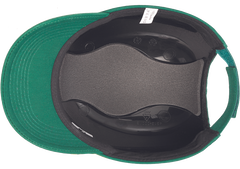
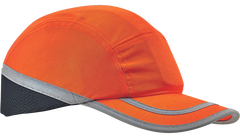
In warehouses, workshops, utility rooms and vehicles with low headroom, risks often arise from fixed obstacles. Bump caps are a compact, lightweight choice in these situations, with a feel similar to that of a regular cap. The reinforced inner shell protects against light impacts and abrasions. This makes bump caps particularly suitable for work where heavy falling objects are not expected, but basic protection is desired or required. Their low weight and good ventilation make them comfortable to wear for long periods. This makes them better suited to real-world working conditions and increases the likelihood that employees will wear them consistently while working.
Comfort, Fit, and Ease of Use
Whether head protection is used correctly in practice is strongly linked to comfort, fit, and ease of use. An adjustable dial system, a soft sweatband, and sufficient ventilation help keep the protection stable and comfortable on the head, even during long shifts. A proper fit is less likely to shift or fall off during movement. Also, check whether the head protection is compatible with other PPE, such as hearing protection, eyewear, or face protection. In warm conditions, ventilation can help limit overheating; closed models, on the other hand, keep out rain and dirt more effectively. Taking wearing comfort into account when making a choice increases the likelihood of consistent use and, therefore, effective protection.
The right choice for every work situation
The right choice for every work situation depends on the type of risk and the conditions in the workplace. In the event of heavy impact from above, a certified safety helmet is required. If the main concern is bumping into fixed obstacles from the front or side, for example in areas with low headroom, then a bump cap may suffice when there is no risk of heavy falling objects. Therefore, first assess which hazards are present at your location and how the work is carried out. Also consider the direction from which obstacles may be encountered and the available headroom while working. Only then can you properly balance safety, comfort, and practicality. Are you unsure whether to choose a safety helmet or a bump cap? HSG Promotions is happy to provide tailored advice or a quote for your needs.