Face Masks
Respiratory Protection for a Healthy and Safe Work Environment
Dust, vapors, mists, and other harmful airborne particles occur in a wide variety of work environments. In construction, industry, woodworking, metalworking, and cleaning, daily work processes can affect air quality. Respiratory protection for a healthy and safe work environment helps prevent employees from unintentionally inhaling these substances. Without appropriate protection, irritation, respiratory complaints, and long-term health damage can occur. Therefore, pay attention not only to the risks present, but also to the duration and conditions of the work. Modern solutions combine a high filtration value with wearing comfort. This is important, because protection is only effective when employees actually continue to wear it throughout their work.
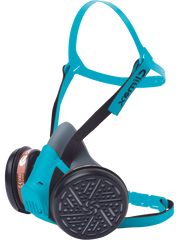
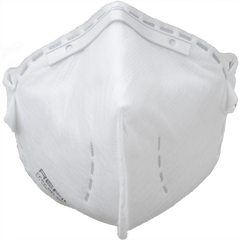
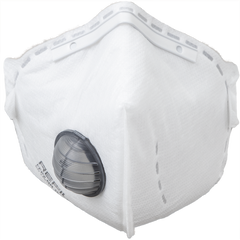
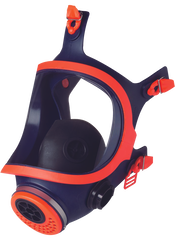
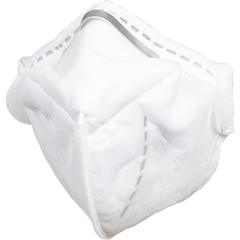
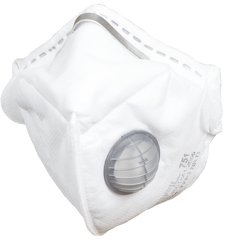
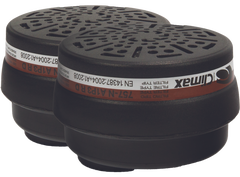
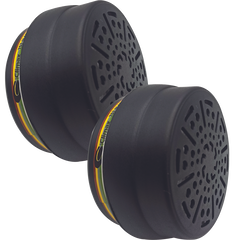
Protection against dust, smoke, and harmful particles
Grinding, sanding, sawing, and processing insulation materials can release fine dust particles, smoke, and fibers. These are not always clearly visible, but can penetrate deep into the lungs. Protection against dust, smoke, and harmful particles therefore begins with assessing the risk and choosing an appropriate filter class. For nuisance dust, a different solution may suffice than for hazardous substances or intensive exposure. Furthermore, check that the mask fits snugly around the nose and mouth. An inadequate seal allows unfiltered air to pass through. Tailor your choice to both the nature and intensity of the work to minimize health risks as much as possible. Even when contamination is barely noticeable, appropriate protection remains important to prevent the inhalation of harmful substances during work.
Comfort and correct fit make the difference
PPE is only effective when it is comfortable and fits securely. Soft sealing edges, adjustable straps, and lightweight materials help improve comfort during long shifts. When comfort and a proper fit make the difference, a tight seal against the face limits the risk of unfiltered air entering along the edges. At the same time, the wearer must have sufficient breathing space to prevent fatigue or shortness of breath. During physically demanding work, an exhalation valve can help dissipate heat and moisture. Therefore, consider the conditions in which the protection is worn and for how long. A suitable design supports comfortable use and increases the likelihood that employees will continue to wear the protection when necessary, making consistent use more probable.
Different solutions for different risks
The correct model depends on the risk and how the protection is used. Disposable masks are often suitable for short-term or lighter dust exposure. For more intensive use, reusable half-mask respirators with replaceable filters may be a more suitable choice. For work involving gases, vapors, or a combination of risks, specific filters are available. When comparing solutions for different risks, consider the nature of the contamination, the concentration in the air, and the duration of exposure. Proper maintenance is also essential: replace filters on time and check regularly for wear and tear. Within the Respiratory Protection category, you will find products including respiratory masks and face masks, allowing you to tailor the solution to your specific work situation.
Part of a professional safety approach
A safe working environment requires more than just a standalone tool. Clear guidelines, appropriate instructions, and a well-considered product selection together form a professional safety approach. Regularly reassess risks and materials used, especially when work activities change. Appropriate protection can contribute to fewer health complaints, increased focus, and attention to employee well-being. In this way, respiratory protection supports a safety culture in which people can work responsibly even under challenging conditions. If you would like to determine which solution fits your situation, you can request advice or a quote. This allows you to make a conscious choice for prevention and protection that aligns with your daily practice. By informing employees well and tailoring protection to the work activities, you make respiratory protection part of a professional safety approach and stay on top of changes in a timely manner.