Order Solid Gear insoles online at HSG Promotions
Solid Gear insoles are replaceable footbeds for work shoes and safety shoes. They form the direct base for your feet and can contribute to cushioning, support, moisture regulation, and a proper fit in the shoe. An insole is subject to daily use and can become compressed, deformed, or worn out over time. Replacement can then help restore the original feel of your Solid Gear work shoes. At HSG Promotions, you can browse Solid Gear insoles for various shoe sizes and applications. Always check in advance which model, size, and version a footbed is intended for. Not every sole automatically fits every Solid Gear work shoe. Also, pay attention to the available space in the shoe, the thickness of the sole, and your personal support needs. A carefully chosen insole supports wearing comfort but does not change the official safety class or certification of your work shoes.








Not found what you were looking for?
We are happy to help you find the right product.
What are Solid Gear insoles?
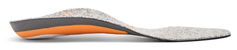
Solid Gear insoles are among the accessories and replacement parts for Solid Gear work shoes. The footbed lies inside the shoe and is positioned between your foot and the midsole construction. Depending on the version, an insole can be made of materials focused on shock absorption, ventilation, support, or pressure distribution. The exact properties differ per product and must therefore be assessed based on the product specifications. A footbed is not an independent protective device and does not replace a safety toe cap, penetration-resistant midsole, or slip-resistant outsole. Furthermore, a thicker sole does not automatically provide more comfort: when the available internal space is limited, extra volume can actually cause pressure points. A suitable pair matches the shape and size of the work shoe without shifting or curling. Additionally, check whether the original sole is removable and whether replacement is permitted according to the manufacturer's instructions.
Cushioning and comfort during long periods of standing or walking
During work where you stand a lot, walk, or frequently change posture, your feet are repeatedly strained. Think of work in logistics, warehouses, production, installation, construction, transport, and technical services. A suitable footbed can help to cushion shocks while walking and distribute pressure across the foot. However, the experienced comfort does not depend solely on the insole. The last of the work shoe, the correct size, the sock material used, the closure, and the surface also play an important role. When your feet slide in the shoe or when toes have insufficient space, a new footbed does not always solve that problem. Therefore, assess the overall fit. Solid Gear insoles can be particularly relevant when the original footbed is visibly worn or has lost its resilience. If you have persistent pain, abnormal foot posture, or medical complaints, ask for advice from a podiatrist, company doctor, or other authorized specialist before using a different type of insole.
The right size and fit for your Solid Gear work shoes
When choosing Solid Gear insoles, the size is a logical starting point, but the shape of the shoe is also important. Compare the size indication and contours of the new footbed with the original removable sole. The heel must lie stably in the heel section, while the front must fit flatly without folding. A sole that is too small can shift and leave open spaces. A sole that is too large or too wide can curl, causing pressure points or friction. Some footbeds are supplied per individual shoe size, while other versions may be suitable for a size range or need to be trimmed to size. Always follow the product instructions when doing so. Preferably do not place a new insole on top of an existing sole, unless this is explicitly permitted. Double footbeds take up extra space and can change the position of your foot relative to the safety toe cap. Try on both shoes with your usual work socks and assess the fit while standing and walking.
Choosing, maintaining, and replacing Solid Gear insoles
Which Solid Gear insole is suitable depends on your work shoes, tasks, and personal preference. First, check the model and size of your shoes and then see if the sole is listed as suitable or compatible. When comparing, pay attention to thickness, material composition, ventilation, cushioning, and support. Also, take your work environment into account. During intensive physical work, moisture regulation can be important, while for a lot of walking, extra attention to shock absorption may be desired. Regularly inspect your insoles for permanent deformation, cracks, loose parts, reduced resilience, and unpleasant odors. Let damp soles dry outside the shoes and avoid direct heat sources, as heat can damage materials. Always follow the maintenance instructions of the relevant product for cleaning. Replace both insoles at the same time to prevent differences in height and cushioning. At HSG Promotions, you can compare Solid Gear insoles based on the available specifications, so that you can make an informed choice for your Solid Gear work shoes.