Order Solid Gear sneakers online at HSG Promotions
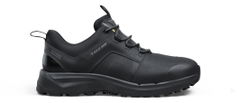
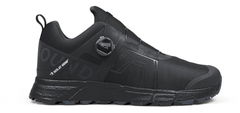
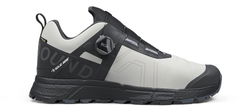
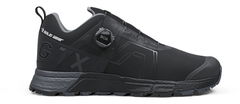
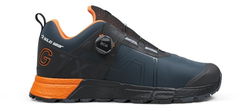
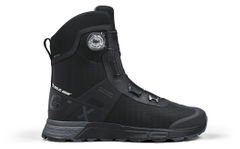
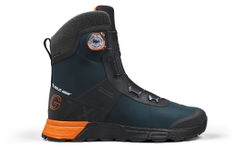
Solid Gear sneakers are work shoes with the look and feel of sporty casual footwear. They are developed for professionals who need protection during their work, but prefer not to wear traditional-looking safety shoes. The low, dynamic design makes these models popular in sectors including logistics, warehousing, assembly, installation, transport, and technical services. The level of protection provided varies by version. Solid Gear sneakers can, for example, be equipped with a safety toe cap, a penetration-resistant midsole, cushioning, and an abrasion-resistant outsole. The safety class and additional properties must always be checked per model. At HSG Promotions, you can compare Solid Gear sneakers by size, standard, material, closure, and intended application. Look beyond color or design: the conditions in your workplace determine which shoe is appropriate. By identifying your tasks and risks in advance, you choose a sneaker that combines sporty design with the protection your role actually requires.

Not found what you were looking for?
We are happy to help you find the right product.
What are Solid Gear safety sneakers?
Solid Gear safety sneakers fall into the work shoe category but distinguish themselves through their low profile and modern design. Characteristic is the combination of a sneaker-like construction with features associated with certified safety shoes. Depending on the model, this can involve toe protection, resistance to penetration via the sole, antistatic properties, and energy absorption around the heel. Some versions are also designed with extra attention to ventilation, water repellency, or grip. Not every Solid Gear sneaker automatically has the same safety class. Therefore, always check whether a model is certified as, for example, S1P, S1PL, S1PS, S3, S3L, or S3S, and under which standard version this was done. Additional markings can also be relevant. A sporty appearance says nothing about the protection level in itself. The product specifications, certification, and user instructions indicate for which conditions the shoes have been tested. Align this information with your risk assessment and the safety regulations within your organization.
For which work activities are Solid Gear sneakers suitable?
Solid Gear sneakers can be a suitable choice when you walk a lot, change posture regularly, or need to remain mobile during a long workday. Think of work in a warehouse, distribution center, workshop, production environment, or technical service. A low model can also be practical for drivers, mechanics, and installers, provided the safety class matches the risks present. In dry indoor environments, ventilation can be a major factor, while outdoor work or contact with moisture requires an upper with appropriate water-repellent properties. If you work on surfaces where sharp objects may be present, a certified penetration-resistant sole construction is important. In case of risk from falling or rolling objects, a suitable safety toe cap must be present. Also, pay attention to the outsole when you work on slippery, dirty, or changing surfaces. Solid Gear sneakers are not automatically suitable for every profession. For welding, extreme heat, chemicals, electrical risks, or long-term wet conditions, other or additional protective properties may be necessary.
Fit and comfort during a long working day
A good fit is at least as important for Solid Gear sneakers as the safety class. A shoe that pinches, slips, or offers insufficient support can become uncomfortable during long workdays. When choosing, take into account the length and width of your feet, the shape of the last, and the thickness of your work socks. Preferably try on both shoes, because feet can differ in size and can swell slightly during the day. Your toes must have sufficient room to move without the heel coming up while walking. Also, look at the cushioning, flexibility, and support of the footbed. A lightweight construction can be pleasant when you take many steps, but the total comfort remains dependent on your foot shape, walking pattern, and work activities. The upper also plays a role: breathable materials support the climate in the shoe, while a denser material can offer more protection against dirt or moisture. Replace a standard insole only with an alternative that does not adversely affect the fit and certification.
Choosing the right Solid Gear sneakers
Start your comparison of Solid Gear sneakers with the risks at your workplace. Determine which safety class is mandatory and then check the additional features of each model. Pay attention to the material of the safety toe cap, the type of penetration-resistant insert, the grip of the outsole, and the properties of the upper. A lace closure offers many possibilities to adjust the fit, while other closure systems can be faster to operate. Also, check the available size range and take into account any orthopedic insoles or specific support. At HSG Promotions, you will find product information that allows you to assess versions specifically. Proper maintenance helps to retain the functional properties and neat appearance for longer. Remove dirt regularly, let wet shoes dry naturally, and use only maintenance products suitable for the material used. Also, inspect the sneakers for wear on the sole, seams, closure, and upper. Damaged safety shoes may no longer offer the protection on which the original certification is based and must be replaced in time.